
How Many Toilets Does OSHA Require on a Construction Site?
The math is simple once you know the table. OSHA 1926.51(c)(1) sets the baseline: 20 workers or fewer means one unit does the job. Once you cross 20 workers, the rule adds a toilet seat and a urinal for every additional 40 people, and at 200 or more workers that ratio loosens to one seat and one urinal per 50. A crew building out a subdivision near Holt, 4.3 miles east of Tuscaloosa, with 35 workers on site would need two toilet seats and at least one urinal under that math. Our standard porta potty rental covers most of these counts without stacking units nobody uses. If you are not sure where your crew size lands, run the numbers on our how many porta potties do I need guide before you call. Some contractors mistake this for a distance rule, thinking OSHA specifies how far a toilet can sit from the work area. It does not. OSHA is silent on placement distance in 1926.51(c)(1); that is a site logistics call, not a federal mandate. Cal OSHA portable toilet requirements for construction follow a similar structure in California, but Alabama sites answer to the federal standard, not the California one. Confusing the two costs contractors time on paperwork that does not apply here.
Does OSHA Require Handwashing Stations Too?
Not automatically. OSHA 1926.51(a)(1) requires an adequate supply of potable water on every job site, full stop. But a dedicated washing facility, the kind with soap and water, only kicks in under OSHA 1926.51(f)(1) when workers are applying paints, coatings, herbicides or insecticides, or handling other harmful contaminants. A framing crew with no chemical exposure does not trigger that rule. A painting crew re-coating a warehouse near Northport, 6.4 miles west of Tuscaloosa, does. Once that rule applies, 29 CFR 1910.141(d)(2) is the standard to check for what counts as compliant: soap and towels or a hand-drying device, not hand sanitizer alone. A lot of foremen assume a sanitizer pump satisfies this. It does not. If your crew works with coatings, adhesives, or pesticides on a regular basis, a handwashing station rental or a portable sink rental keeps you square with the standard instead of guessing.
What Happens If a Site Has ADA Requirements?
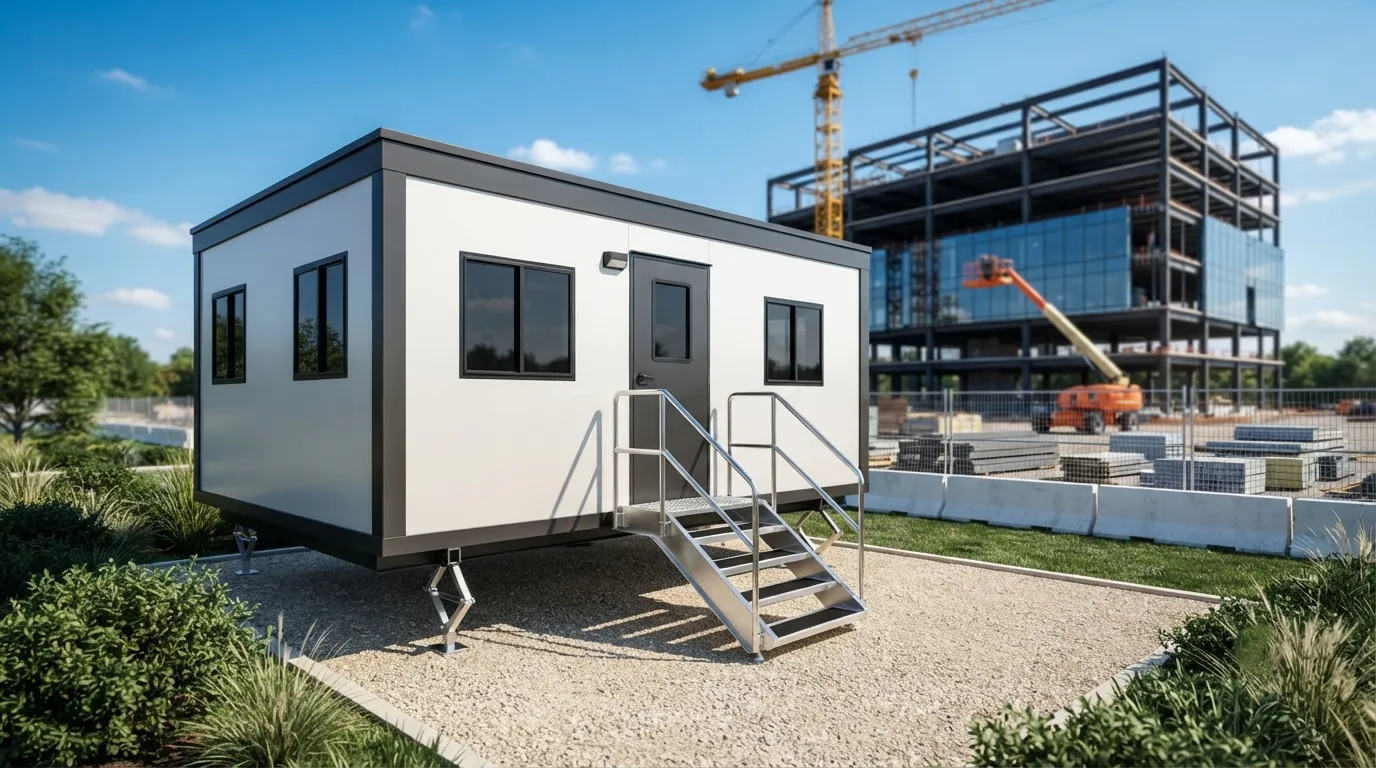
Once you cluster portable toilets, at least one has to be accessible under ADA Standards section 213.2: 5 percent of a cluster, and never fewer than one unit. That single unit needs real clearance, not a token ramp. ADA Standards section 403.5.1 calls for a 36 inch clear route to the door, and the door opening itself has to clear 32 inches under section 404.2.3. Inside, a 60 inch turning circle is required per section 304.3.1, and reach ranges for controls top out at 48 inches per section 308.2.1. This matters on public-facing jobs more than fenced construction sites. A road project outside Cottondale, 7.6 miles southeast of Tuscaloosa, with public foot traffic nearby needs to think about this differently than a private lot with no pedestrian access. Our ADA accessible porta potty units are built to those specs, and pricing runs $120 to $240 a week depending on term length. Check the ADA restroom requirements page if you are staging an event instead of a construction job, since the trigger points differ slightly.
Are There Different Rules for Events Versus Job Sites?
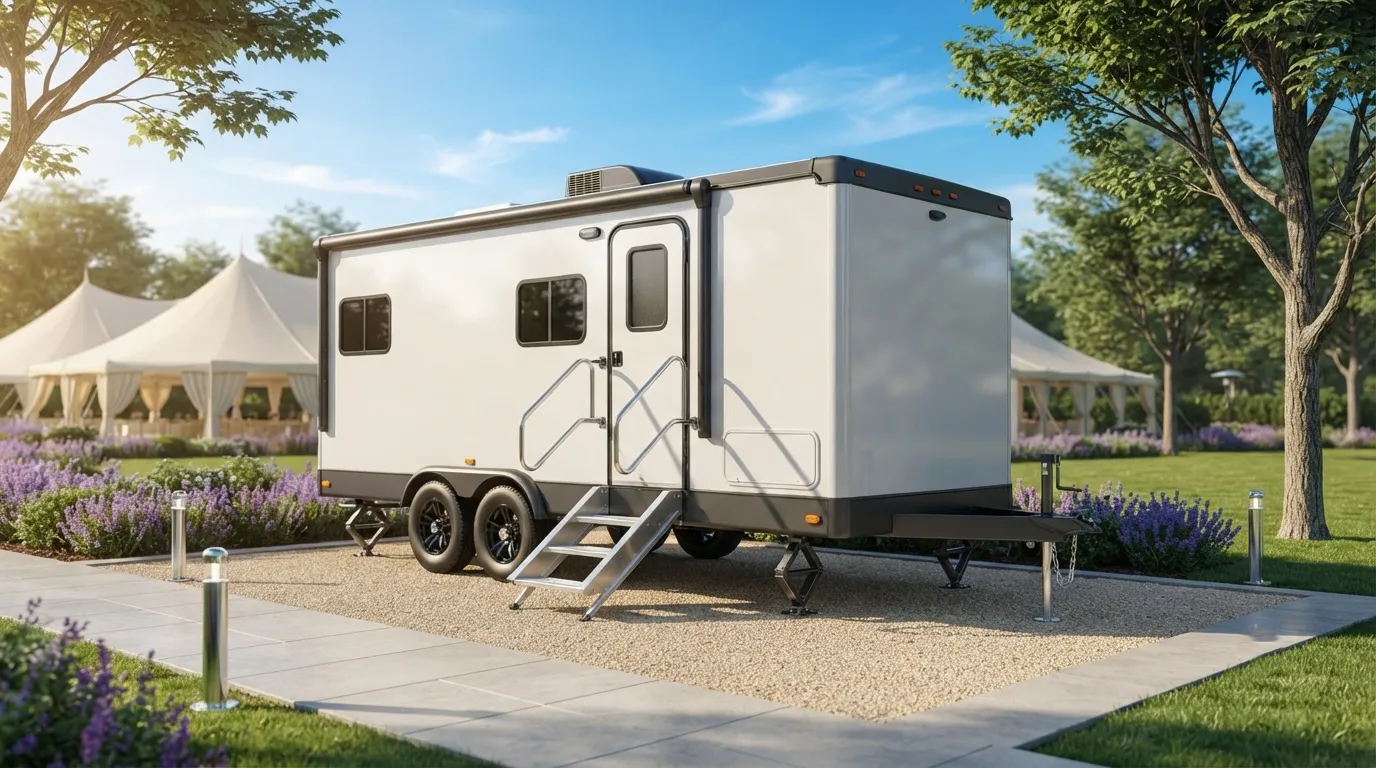
Yes, in practice, even though OSHA's language stays focused on employees, not attendees. A festival or wedding doesn't answer to OSHA 1926.51(c)(1) the way a construction crew does, because that standard governs worker sanitation, not public guest counts. Event planners in Tuscaloosa should size units by attendance and hours, not employee headcount. Our event restroom rental and festival restroom rental pages walk through that math separately. For agricultural operations, OSHA 1928.110 sets its own field sanitation rule: one facility per 20 hand-labor employees, within a quarter mile walk, which is a tighter distance standard than construction gets. A farm operation near Coker, 9.9 miles west of Tuscaloosa, running seasonal labor crews falls under that rule, not the construction table. Mixing the two up is common and it is the kind of mistake an OSHA inspector catches fast.
| unit | duration | typical price |
|---|---|---|
| standard | day | $150 |
| standard | week | $200 |
| standard | month | $200 |
| ada | week | $185 |
Delivery adds a separate fee, typically $100 to $150 for a weekly rental. If your job runs longer than a month, check the monthly porta potty rental page before committing to weekly renewals, since the per-day cost drops significantly over time. For sites also managing debris, a roll-off dumpster rental or construction dumpster rental often gets bundled into the same delivery run, which can shave down that delivery fee. Storage container rental in Tuscaloosa follows a similar logic. A storage container rental delivered alongside your toilets on the same truck run saves a second delivery fee entirely.
What is the OSHA ratio for portable toilets on a job site?
One toilet for 20 workers or fewer, per OSHA 1926.51(c)(1). Above 20, add one seat and one urinal per additional 40 workers. At 200 or more, that ratio eases to one per 50. Tuscaloosa contractors should run headcount before ordering units.
Does OSHA specify a distance from work areas to toilets?
No. OSHA's standard sets ratios, not placement distance. Site logistics decide that. Check our porta potty placement guide for practical spacing advice, since OSHA itself stays silent on how far is too far.
Do hand sanitizer stations satisfy OSHA handwashing rules?
No, not where OSHA 1926.51(f)(1) applies to paints, coatings or pesticide work. 29 CFR 1910.141(d)(2) requires soap and towels or a dryer. A hand sanitizer station rental works as a supplement, not a substitute.
How many accessible units does a jobsite need?
At least one, or 5 percent of a cluster, whichever is greater, under ADA Standards section 213.2. A single job site with four units still needs one accessible unit minimum.
Is Cal OSHA different from federal OSHA for portable toilets?
Yes, California runs its own state plan with separate ratios. Alabama sites, including everything around Tuscaloosa, answer to federal OSHA 1926.51(c)(1) instead. Don't apply Cal OSHA numbers to an Alabama jobsite; the standards diverge on specifics.
Next step
Get a delivery date
Tell us the address, the dates and the headcount. We size the order and confirm the route.