
Where Should a Porta Potty Go on a Job Site?
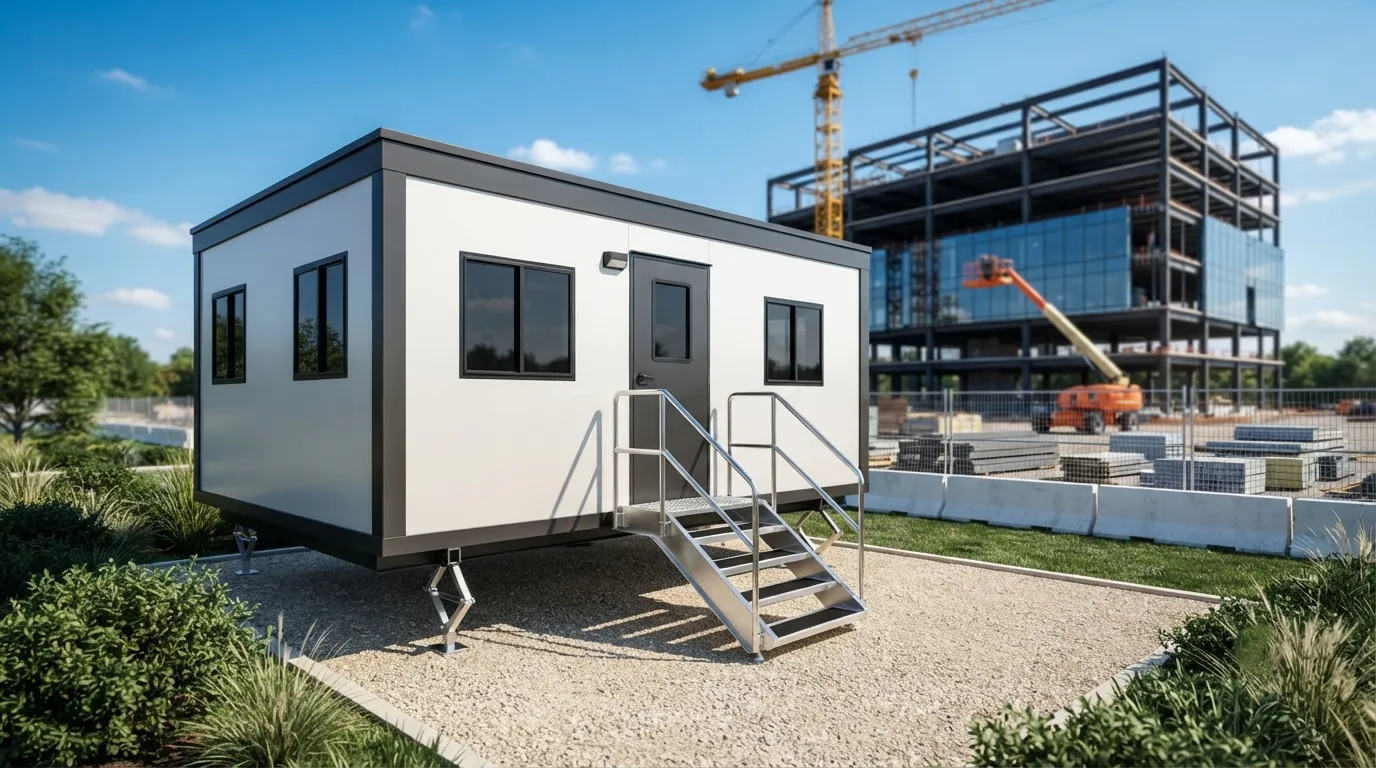
Start with ground, not layout. A standard unit at Tuscaloosa Porta Pros needs a flat, firm surface about 44 by 48 inches, per ADA Standards section 302.1 covering stable, slip-resistant footing. Gravel, pavement or compacted dirt all work. Mud doesn't, especially after a Tuscaloosa spring rain when a soft yard turns into a mess the service truck can't cross. Keep units 5 feet from structures for ventilation, and leave a straight path wide enough for the pump hose. If you're placing an ADA accessible porta potty, the unit needs a 60 inch turning circle inside per ADA 304.3.1, plus a 32 inch clear door opening under ADA 404.2.3. Crowded construction sites near Holt, about 4.3 miles east of downtown Tuscaloosa, often lose that clearance to stacked material. Plan the pad before the delivery truck shows up, not after. For events, check the porta potty placement guide against your venue's actual foot traffic pattern, not just the guest count. Sites with multiple units should also look at portable restroom rental layouts that group units near entrances rather than spreading them across a field.
What Are the Porta Potty Placement Rules for Permits?
Placement rules vary by what's next to the unit, not just the unit itself. If a porta potty sits in a public right of way, on a street shoulder, or blocks a sidewalk, that placement needs confirming with the city before delivery. We're not going to guess at an ordinance number here. Ask about porta potty permit requirements before you commit to a curb-adjacent spot. The same caution applies to a dumpster placement permit: a dumpster permit cost and rule set differs from a toilet permit, and pretending they're the same thing gets a job flagged. Construction crews juggling both should map roll-off dumpster rental placement and toilet placement together, since a 60 yard turning radius for the roll-off truck can conflict with the toilet's own clearance. If your Tuscaloosa job also needs temporary fence rental around the perimeter, place the fence line first, then fit toilets and dumpsters inside it. Sites near Northport, 6.4 miles west, sometimes deal with narrower lots where all three compete for the same 10 feet of usable frontage.
How Many Units Do I Need and Where Do They Go?
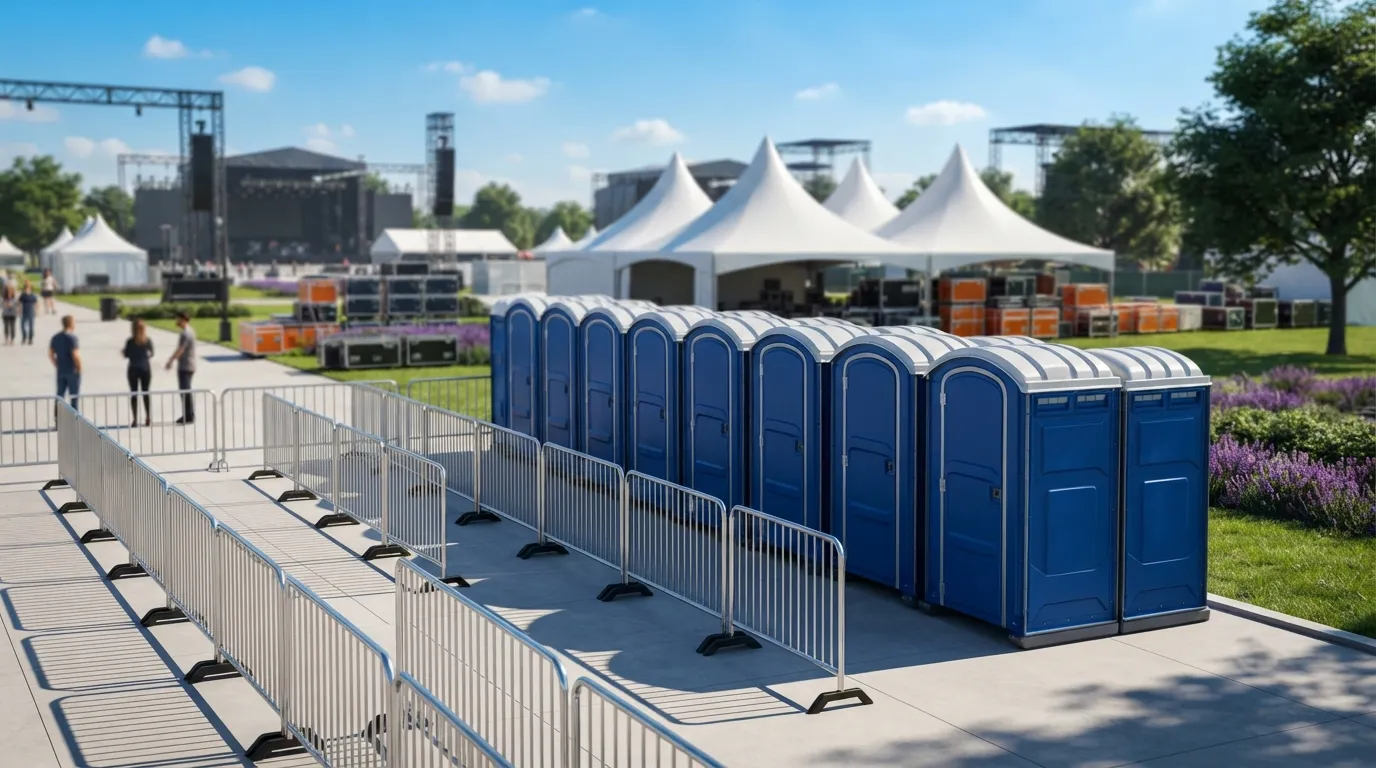
Worker count decides both count and spacing under OSHA 1926.51(c): one toilet for 20 or fewer workers, one toilet and one urinal per 40 workers from 20 up, and one per 50 once you hit 200 or more. Spread that count across the site instead of clustering it at one gate; a crew working 300 feet from the only bank of toilets loses time walking. Use the how many porta potties do I need guide to size the order, then place units near the actual work zones, not just the trailer. ANSI/PSAI Z4.3 sets a baseline service interval of once weekly for up to 10 users over a 40 hour week, so placement also has to leave room for the service truck to reach each unit on schedule. Cottondale sites, roughly 7.6 miles southeast of Tuscaloosa, often add a second cluster near a back lot entrance for exactly that reason. If the crew is doing paint, coatings, or pesticide work, OSHA 1926.51(f)(1) requires washing facilities nearby, so pair a handwashing station rental or portable sink rental with the toilet cluster. Ozark River portable sink replacement parts come up often on older units; check hose fittings before placement day so a leak doesn't force a mid-week move.
Where Should a Restroom Trailer or Storage Container Sit?
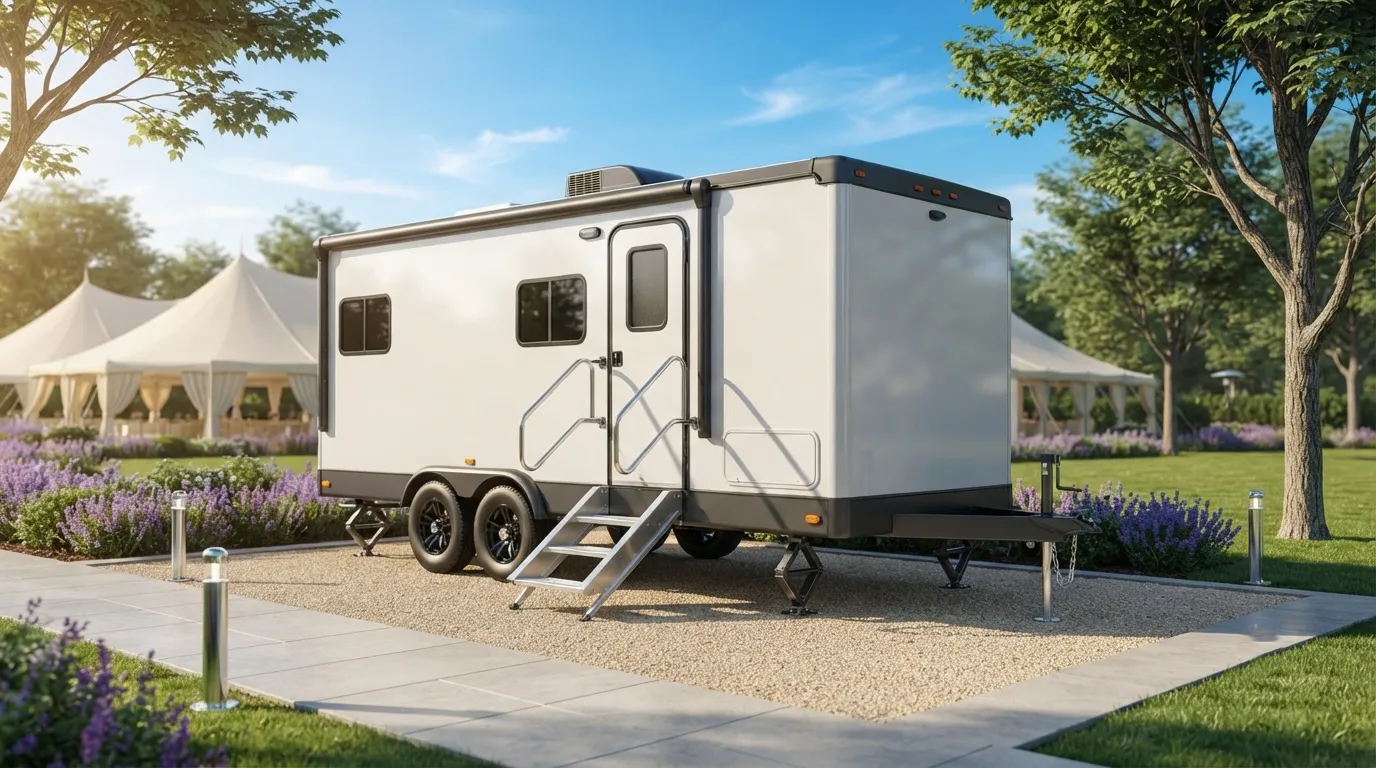
Trailers and containers need more than a flat pad. A restroom trailer rental needs level ground and, depending on the model, a power hookup; confirm amperage before delivery day so the generator or shore line reaches. A storage container rental needs a compacted surface rated for its loaded weight, and a mobile office trailer rental needs the same, plus clearance for the door swing. Mobile office trailer replacement doors are a common repair call when a trailer gets placed too close to a fence or dumpster and the door can't fully open. Leave at least a door's width of swing room, more if ADA 404.2.3's 32 inch clearance applies to your unit. For septic-side placement, a holding tank or septic pumping service truck needs the same straight-line access as a roll-off: figure 60 feet behind the vehicle. That matters as much in Tuscaloosa as it does for a placerville septic pumping service call, since the truck geometry doesn't change with zip code. Coker, about 9.9 miles west, has seen jobs where a container was placed before the septic company scouted access, forcing a redo.
How far should a porta potty be from the work area?
Close enough that workers won't skip using it. There's no fixed footage in code, but crews report better compliance when a unit sits within a short walk of the main task zone rather than at a distant staging area.
Can a porta potty sit on grass or gravel?
Yes, if the ground is stable and level per ADA 302.1. Grass works when dry; gravel is more reliable after rain. Avoid slopes and low spots that pool water.
Do event restrooms need different placement than construction units?
Yes. Events cluster units near entrances and food areas for guest flow, while event restroom rental planning also has to keep service trucks clear of pedestrian paths during the event itself.
What is the ADA rule for accessible unit placement?
ADA Standards section 213.2 requires at least 5 percent of clustered single-user units to be accessible, never fewer than one. Place that unit on the most level, most reachable pad in the group.
Does a dumpster need its own placement permit?
Sometimes, depending on where it sits. If it's in a right of way or blocks a sidewalk, check with the city; costs and rules differ by location and aren't fixed here.
Next step
Get a delivery date
Tell us the address, the dates and the headcount. We size the order and confirm the route.