
How fast can you deliver sanitation after a storm?
When power and water go down, waiting is the real cost, not the rental. Tuscaloosa Porta Pros keeps standard porta potty rental units staged for quick dispatch, and most disaster calls in Tuscaloosa get same-day placement once a site is safe to enter. A delivery truck needs roughly 60 feet of straight clearance behind it to set units down, so downed trees or debris piles can slow things more than distance does. Holt sits about 4.3 miles east and Cottondale about 7.6 miles southeast, and both fall inside a normal same-day radius once roads clear. If a shelter or command post needs multiple units fast, an emergency porta potty rental order is the quickest path, and handwashing station rental units pair well with it since OSHA 1926.51(a)(1) calls for an adequate supply of potable water in all places of employment, and that includes relief workers as much as construction crews. We also run portable restroom rental service for longer-term shelter operations once the first wave of units is placed. Northport, 6.4 miles west, and Coker, 9.9 miles west, both fall into the same fast-response zone. Brookwood is farther out at 23.3 miles east, and that distance does change turnaround on multi-unit deployments. Ask about staging when you call, because a disaster order often needs more units than a routine porta potty rental in Tuscaloosa job, and quantity changes the truck count, not just the invoice.
What sanitation gear actually helps during disaster response?
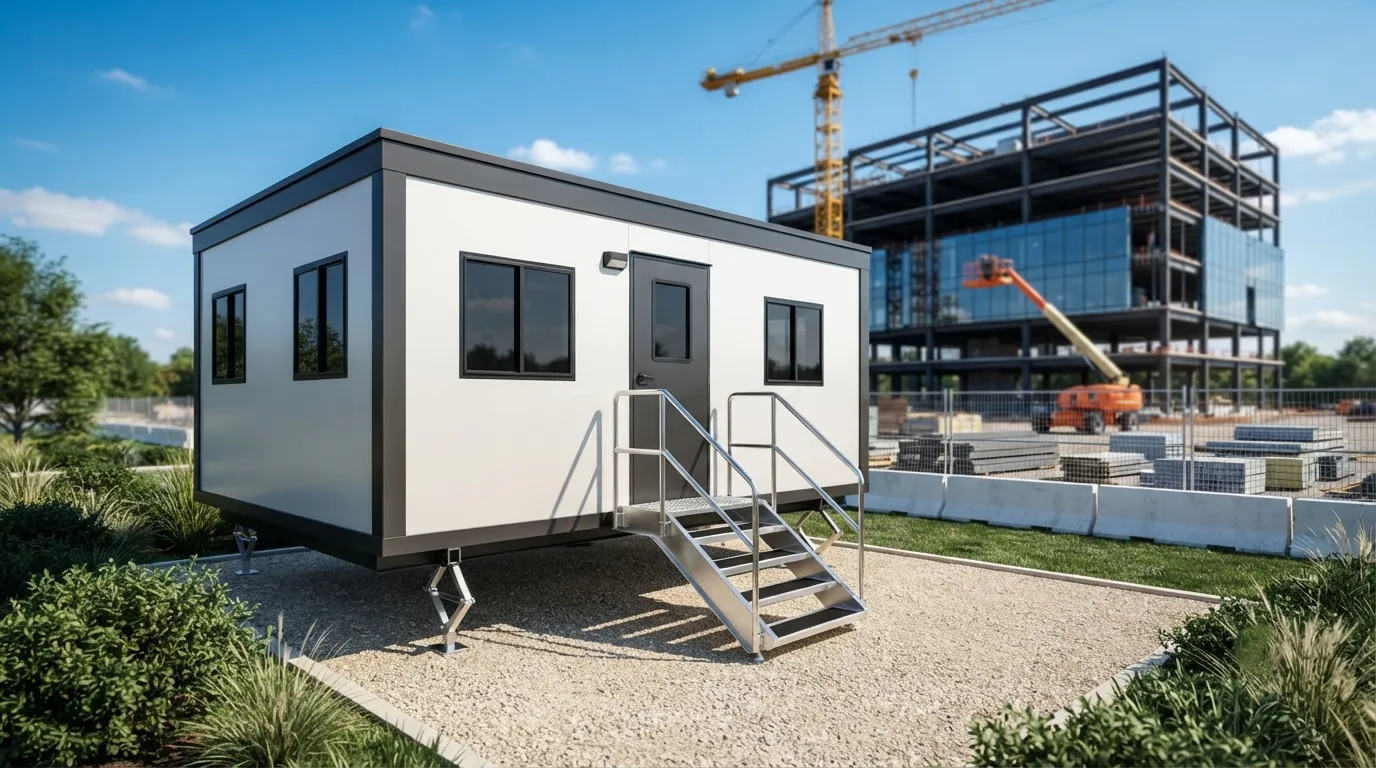
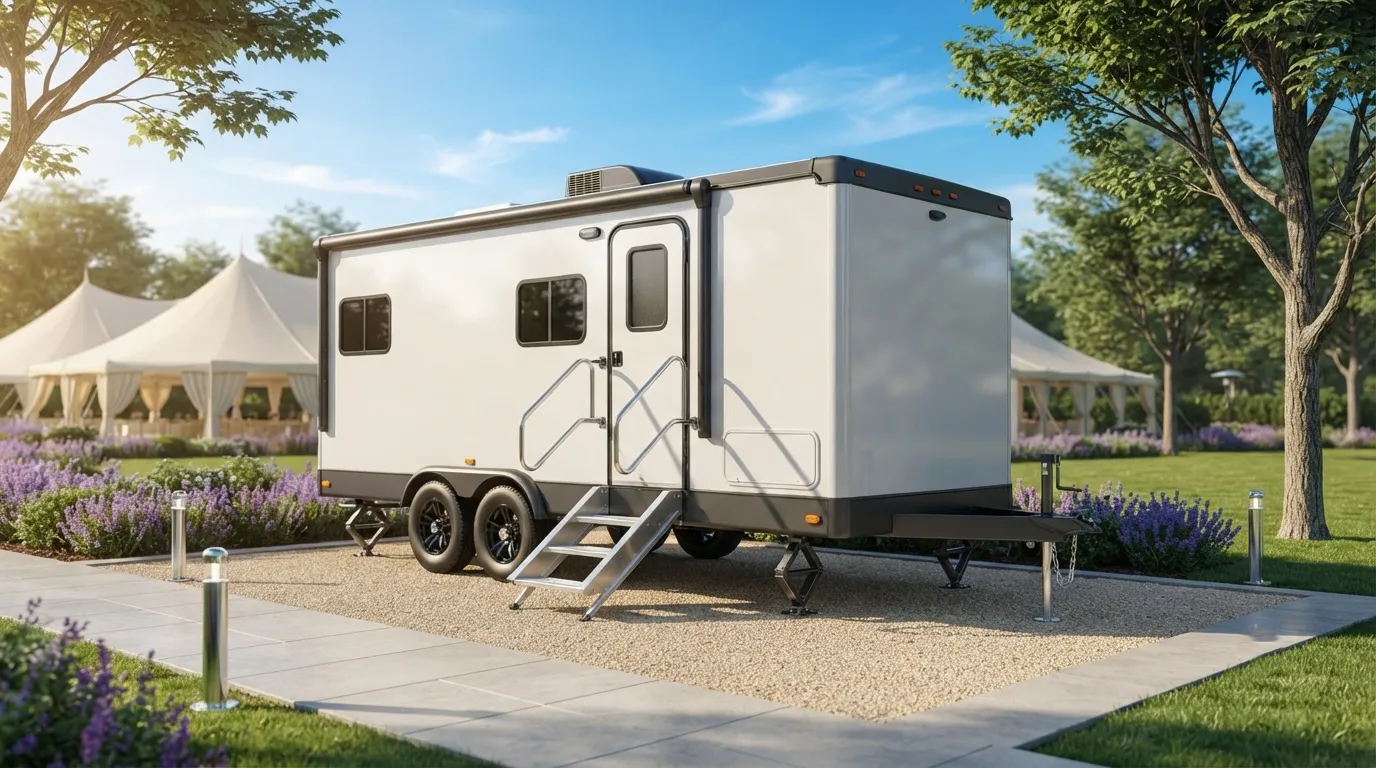
Shelters and cleanup crews need more than toilets. A restroom trailer rental makes sense for a longer-term shelter where people are staying overnight, and a 2 stall restroom trailer or 4 stall restroom trailer can cover a mid-size operation without crowding. For debris cleanup, a roll-off dumpster rental clears storm debris fast, and a 20 yard dumpster rental is a common size for residential storm cleanup in Tuscaloosa neighborhoods. Larger operations sometimes need a 30 yard dumpster rental or even a 40 yard dumpster rental if a block is clearing trees and roof material at once. Housekeeping still matters on a debris site: OSHA 1926.25 requires scrap and debris to be cleared from work areas, which is exactly what disaster cleanup generates in volume. If a command post loses grid power, a temporary power pole or a light tower rental keeps operations running after dark, and any temporary power setup on wet ground should have GFCI protection per OSHA 1926.404(b)(1)(ii). For crowd or perimeter control around a distribution site, temporary fence rental or crowd control barrier rental helps keep lines organized and keeps people away from damaged structures, and any barricade used for protection should meet OSHA 1926.202's ANSI D6.1 standard.
Do you offer accessible units for shelter sites?
Yes. Shelters serving the public need accessible units, not just standard ones. An ADA accessible porta potty meets ADA Standards 404.2.3 for a 32 inch clear door opening and ADA Standards 304.3.1 for a 60 inch turning circle inside the unit, both of which matter for anyone using a wheelchair or a mobility device during a shelter stay. Where units are clustered at a distribution point or shelter entrance, ADA Standards 213.2 requires at least 5 percent of the cluster to be accessible, and never fewer than one unit. Toilet counts still follow OSHA 1926.51(c)(1) for any relief workforce on site: 1 toilet for 20 workers or fewer, scaling up from there as crew size grows. If your relief operation is agricultural in nature, such as farm cleanup crews, OSHA 1928.110 sets a separate standard of one facility per 20 hand-labor employees within a quarter mile walk. Handwashing still needs soap and towels or a hand-drying device under 29 CFR 1910.141(d)(2); hand sanitizer alone does not satisfy that rule. If cleanup crews are also handling coatings, herbicides or treated debris, OSHA 1926.51(f)(1) requires washing facilities specifically for that contaminant exposure. Not sure how many units your shelter or crew needs? The how many porta potties do I need guide walks through the math, and OSHA portable toilet requirements covers the full ratio table.
How much does emergency sanitation cost during a disaster?
Standard units run in the same range as routine rentals, roughly $100 to $350 a day depending on order size and site access. Multi-day disaster response usually shifts to weekly pricing once the immediate crisis passes. See porta potty rental cost for the full breakdown by duration.
Can you deliver to an active shelter with limited road access?
Often, yes, but a driver needs safe clearance to place units. Downed lines or blocked roads can delay delivery even inside Tuscaloosa. Call ahead with site conditions so dispatch can plan the route and truck size before rolling out.
Do disaster relief orders need a permit?
Placement in the public right of way needs confirming with the city; check porta potty permit requirements before placing units on a street or public easement rather than private property.
What if we need units for weeks, not days?
Long-duration relief operations often shift to monthly pricing, which runs lower per day than daily rates. See monthly porta potty rental for the breakdown, and ask about swapping to that rate once the timeline extends past a week or two.
Can you supply dumpsters and toilets to the same site?
Yes, most disaster sites order both together. A cleanup crew clearing debris needs a roll-off dumpster rental on site alongside restrooms, and ordering both from Tuscaloosa Porta Pros in one call simplifies delivery scheduling and truck routing.
Next step
Get a delivery date
Tell us the address, the dates and the headcount. We size the order and confirm the route.